


Water Heaters
Buy vs Rent a Water Heater in Ontario: 15-Year Cost Comparison
Renting a power vent water heater in Ontario costs more than $6,800 over 15 years at typical rates. Buying one installed starts at $2,195. Here's t...
 Tank Water Heater40–60 gal, installed from $2,195
 Tankless Water HeaterEndless hot water on demand
 FurnaceLennox high-efficiency gas furnaces
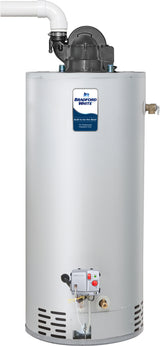 Power Vent TankVents through the wall
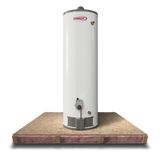 Chimney Vent TankSimple swap, no fan needed
 Two-Stage FurnaceQuieter, more even heat
 Water SoftenerSofter water, 80% less salt
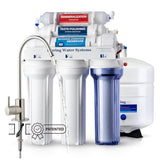 Reverse OsmosisPure drinking water at the tap
 UV Water SterilizerWhole-home disinfection
 HEPA Air FiltrationTraps 99.97% of particles
 UV Air PurifierStops mould and bacteria
 HRV VentilatorFresh air, heat kept in
Helpful articles on furnaces, water heaters, water treatment and home comfort.
View all articlesProudly installing across the GTA, Halton, Waterloo Region, Durham and the Kawarthas.
Toronto · Mississauga · Markham · Oshawa · Kitchener · Peterborough
Answers to common questions about pricing, installation and equipment.
10 years keeping Ontario homes warm, with hot water you can count on.
Understand our simple process, from choosing your system to installation day.
Upfront installed pricing, same-day installs and certified, insured installers.
5.0 stars from 55 reviews. See what homeowners say.
Manufacturer warranties registered for you, plus our 10-day money-back guarantee.
How much flexibility do you need?Pay in full, or choose humm at checkout to pay monthly.Payment options Locations We ServeToronto, Mississauga, Markham, Oshawa, Kitchener-Waterloo, Peterborough and more.View all areas
Frequently Asked QuestionsAnswers on pricing, installation and equipment.View all FAQs
Locations We ServeToronto, Mississauga, Markham, Oshawa, Kitchener-Waterloo, Peterborough and more.View all areas
Frequently Asked QuestionsAnswers on pricing, installation and equipment.View all FAQs Contact UsWe're here to answer your questions. Call 905-418-2629.Get in touch
 How It WorksChoose online, pick your date, and we install.See the process
Warranty & GuaranteeWarranties registered for you, plus our 10-day money-back guarantee.Learn more
How It WorksChoose online, pick your date, and we install.See the process
Warranty & GuaranteeWarranties registered for you, plus our 10-day money-back guarantee.Learn more 5.0★ Google Reviews55 reviews from Ontario homeowners.Read reviews

Short answer: If your water heater vents into a sound chimney that still works well, a chimney vent tank is the simplest, lowest-cost swap. If your chimney is gone, damaged, or now vents the water heater alone after a furnace upgrade, a power vent tank that exhausts through the wall is usually the better fit. Across the GTA and Southern Ontario, both start at $2,195 installed with Mr. Heating & Home.
Chimney vent (also called conventional or natural draft): hot exhaust rises up a metal vent into your chimney on its own. No fan, no electricity.
Power vent: a small fan on top of the tank pushes exhaust through a plastic vent pipe and out a side wall of the house. It needs a standard electrical outlet nearby.
| Chimney vent | Power vent | |
|---|---|---|
| Needs a chimney | Yes, in good condition and sized correctly | No, vents through the wall |
| Needs electricity | No | Yes (no hot water refill during a power outage) |
| Placement | Near the chimney | More flexible, within the vent pipe's allowed length |
| Noise | Silent | Quiet fan hum while heating |
| Our installed price | From $2,195 | From $2,195 |
This is the most common reason homeowners across the GTA and Southern Ontario switch. In many older homes in Toronto, Mississauga, Oakville, Markham, Durham Region, Kitchener-Waterloo, Guelph and Peterborough, the furnace and water heater once shared one chimney. When the furnace is replaced with a high-efficiency model, which vents through the wall in plastic pipe, the water heater is left alone in a chimney built for two.
A chimney that's too large for one small appliance can draft poorly, especially in cold weather. That lets exhaust linger and moisture condense inside the chimney. The two usual fixes are:
We check your venting before install day and recommend the safer, more cost-effective option for your home.
If you smell gas or exhaust, leave the house and call your gas utility's emergency line right away.
Keep chimney vent if your current tank vents well into a sound chimney that's lined or correctly sized, and you want the simplest swap that works through a power outage.
Choose power vent if you've upgraded your furnace, your chimney needs repair, you're finishing the basement and want the tank somewhere else, or you'd rather not maintain a chimney at all.
Neither is better in every home. Power vent is more flexible and doesn't depend on a chimney. Chimney vent is simpler and works without electricity. The right choice depends on your chimney and your furnace.
No. The fan needs electricity, so a power vent tank can't heat new water during an outage. The hot water already in the tank is still usable.
Our power vent tanks start at $2,195 installed. Converting may also need new vent pipe run to an outside wall and an electrical outlet near the tank. We quote any extra work before we start.
Shop tank water heaters · See 2026 replacement costs · Call 905-418-2629
Renting a power vent water heater in Ontario costs more than $6,800 over 15 years at typical rates. Buying one installed starts at $2,195. Here's t...
Replacing a 40 to 60 gallon gas water heater costs $2,195 to $3,295 installed across the GTA and Southern Ontario. Tankless runs $5,495 to $6,045. ...
Both Lennox Merit furnaces are 96% AFUE. The ML296 adds two-stage heat and a variable-speed blower for $550 more. Here's how to choose.
Oops, looks like
your cart is empty
Let's Fix That
Our Most Popular Products

